Japanese vs French Croissants: What's Actually Different?
Same butter, different philosophy. How a Japanese-style croissant differs from a Parisian one — and where Hazukido sits between them.
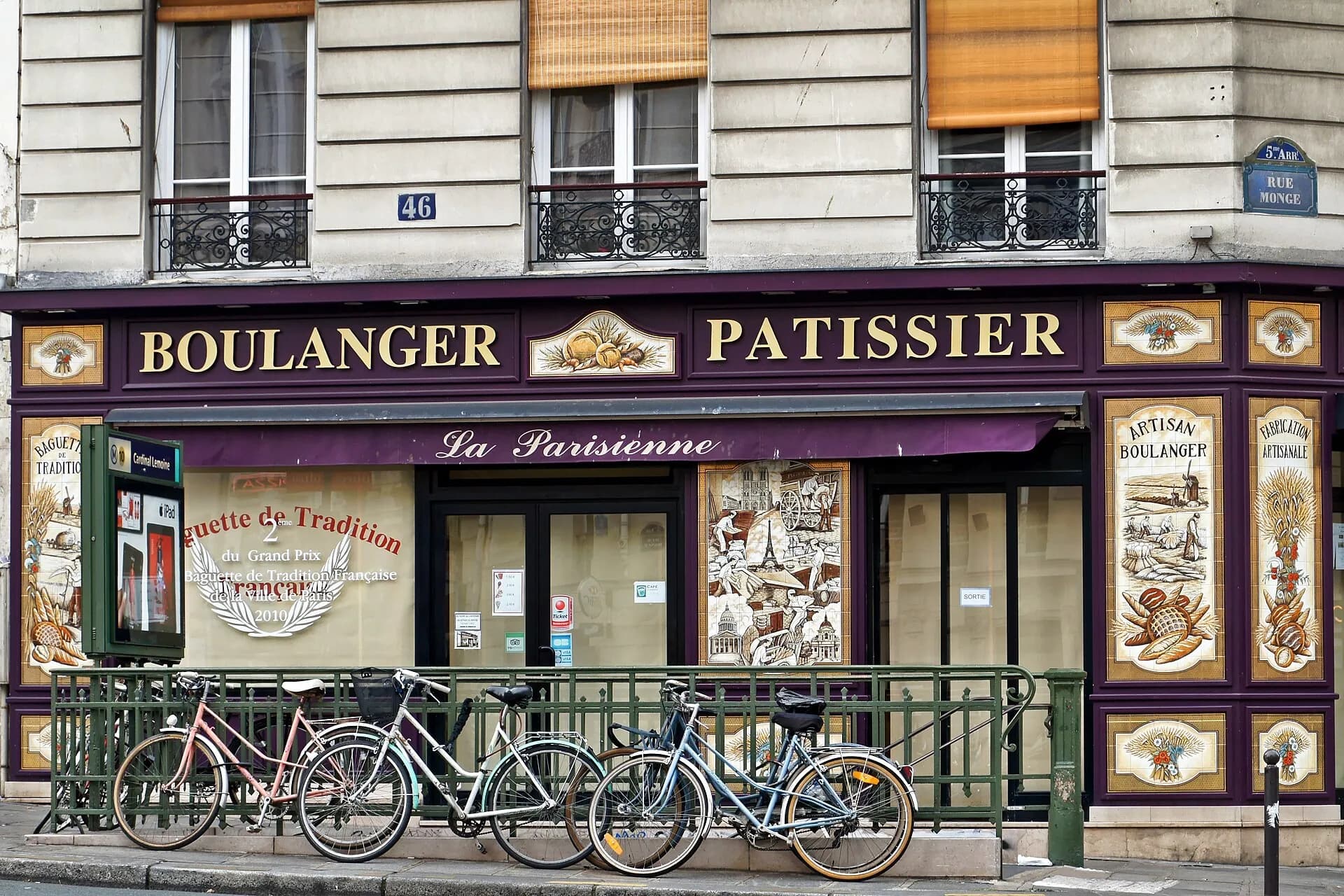
"Japanese croissant" can sound like a contradiction. The croissant is as French as it gets — even if its ancestor, the kipferl, came from Vienna. But walk into a Japanese or Taiwanese bakery and you'll find croissants that look, taste and behave differently from the ones in a Paris boulangerie. Hazukido is one of the best-known examples. Here's what changes, and what doesn't.
What they share
Start with the fundamentals, because they're the same. Both are laminated doughs: butter folded into a yeasted dough again and again, until hundreds of thin layers puff apart in the oven. And both depend on great butter. At Hazukido Niagara that butter — like the flour and eggs — is sourced in Canada.
Difference 1: where the ingredients come from
A Parisian bakery will tell you about its French wheat and Normandy butter. A Japanese-style croissant is defined less by where its ingredients come from than by what's done with them — which is why Hazukido Niagara can use butter, flour and eggs sourced in Canada and still make the same honeycomb croissant.
Difference 2: time and temperature
Japanese bakery culture prizes a long, controlled process. Hazukido describes its dough as going through a "long, low-temperature fermentation". Many French bakeries also use overnight retarding; the Japanese-style emphasis is on taking that patience further and making it the selling point.
Difference 3: the crumb
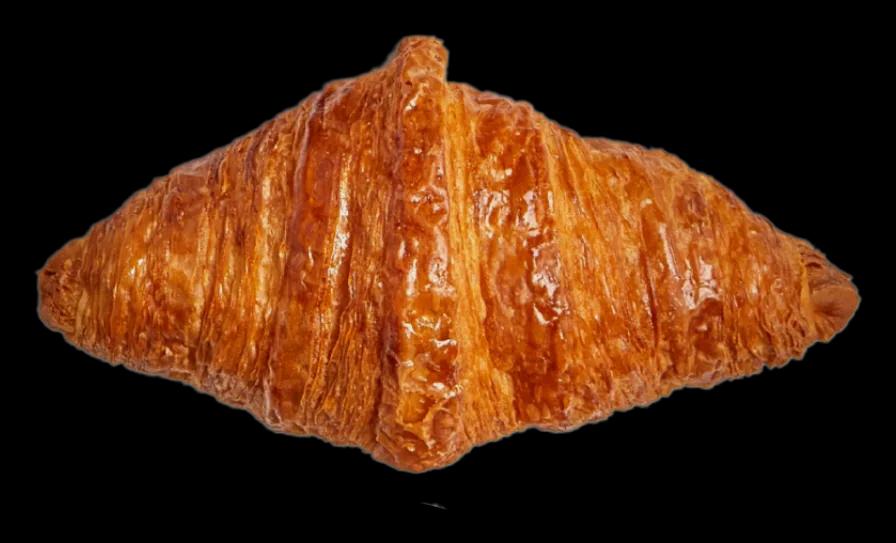
A classic French croissant aims for a shattering crust and a tender, open interior. A Japanese-style croissant like Hazukido's leans even harder into structure: the brand calls the inside a "perfect honeycomb", with crisp walls and pronounced air pockets, and a softer, slightly springier bite. On the outside, Hazukido's croissants are often baked to a deep, glossy gold.
Difference 4: fillings and flavours
This is the biggest visible difference. A Parisian bakery sells a croissant, a pain au chocolat and an almond croissant. A Japanese or Taiwanese croissant specialist treats the croissant as a canvas. Hazukido has developed more than 100 flavours, drawing on Asia's bakery traditions — and, at Hazukido Niagara, on our own backyard:
- Taro and pudding — inspired by a childhood cake
- Fresh Berry Croissant — from Niagara's own backyard berry farms
- Brown sugar mochi — chewy Taiwanese comfort
- Kimchi Croissant — a Korean fusion
Our Niagara menu adds more of its own: Biscoff, kunafa, yuzu, lavender-rose and more.
A French croissant is a finished thing. A Japanese croissant is a beginning.
Difference 5: the shokunin mindset
Shokunin means artisan — but it carries the idea of devoting yourself to one thing and refining it endlessly. Hazukido's positioning is built on it: carefully selected ingredients, an exclusive folding method, and baking on site every day in limited quantities. In Taiwan, that translated into department-store counters with queues "wherever it opened".
How to spot the difference at the counter
- Colour: Hazukido's croissants are baked to a deep, glossy amber rather than a pale gold.
- Cross-section: look for the visible honeycomb of air pockets when one is cut open.
- The case: more fillings and toppings than plain croissants — custards, creams, glazes and savoury toppings.
Which is better?
Neither — they're answers to different questions. If you want the purest expression of butter and flour, a great French croissant is hard to beat. If you want that same craft as a starting point for flavour, texture contrast and a crumb you can see across the room, try a Japanese-style croissant.
The easiest way to taste the difference is side by side: a plain Hazukido Honeycomb Croissant, then a Fresh Berry or Kimchi Croissant. Read more about what makes a croissant "Japanese" or plan your visit.